10 Reasons WordPress Is Still the Popular CMS for Websites
A business owner choosing a website platform often faces the same dilemma: use a simple hosted builder, invest in custom development or build on a flexible content management system. WordPress keeps winning that decision for businesses because it offers an unusual combination of control, affordability and room to grow.
WordPress is still the leading WordPress CMS by a margin. As of 17 November 2026 W3Techs reports that WordPress powers 38.5% of all websites and 57.5% of websites with a known content management system. That does not mean it is automatically the choice for every project but it does explain why so many agencies, developers, publishers and small businesses continue to build on it.
This article looks at the reasons behind that popularity: ownership, customization, SEO, content control, scalability and long-term value. It also covers the responsibilities that come with a WordPress website because flexibility is only useful when the site is planned and maintained properly.
Why Use WordPress for Websites in 2026?
The simplest answer is control. With WordPress a business is not locked into one hosting company, one design system or a limited set of features. You can choose your hosting provider, domain, theme, plugins and developer. If your needs change the website can change with them.
WordPress is open-source software licensed under the GPLv2. Businesses can install, modify, extend and use it for projects without paying a license fee to WordPress. The software itself is free. A professional website still involves costs such as hosting, design, development, plugins, security and maintenance.
That balance is why many businesses choose WordPress. It is not the platform for someone who wants zero technical decisions. It gives growing businesses room to build a website around their actual goals rather than forcing their goals into a rigid template.
1. It Supports Almost Every Type of Website
WordPress began as blogging software but it has grown into a content management system. A café can publish menus, location details, events and reservation links. A dental clinic can manage service pages, patient information, testimonials and appointment requests. A real-estate agency can display property listings while a consultancy can publish insights, case studies and lead-generation pages.
This matters because websites rarely stay the same. A business may begin with a page then add a blog, new locations, online booking, product pages or a customer portal. WordPress makes those additions possible without rebuilding the site.
For companies considering WordPress website development the better question is not whether WordPress can handle the website. It is whether it can support the stage of the business.
2. You Own More of Your Website
With many hosted website builders, your content, design and customer data live inside one company’s ecosystem. If the platform changes its pricing removes a feature. No longer fits your needs moving can become difficult.
WordPress works differently. You choose your domain, theme, plugins and development approach. You can export content, redesign the site, move hosting or add custom functionality when needed.
That ownership is one of the underrated benefits of WordPress. It gives a business control over its digital asset. The condition is simple: the website needs backups, security monitoring and responsible maintenance.
3. The Plugin Ecosystem Solves Common Business Needs
Plugins extend what WordPress can do. Businesses commonly use them for SEO, contact forms, backups, security, caching, ecommerce, multilingual content, appointment booking, analytics and customer reviews.
A local gym for example may need class schedules, membership enquiries, trainer profiles, location pages and lead forms. By building each feature from scratch a developer can select reliable plugins and customize them where necessary.
The advantage is speed and flexibility. The caution is equally important: plugins should not be added without a plan. Many overlapping or poorly maintained plugins can slow the site, create conflicts and increase security risks.
A good rule is to use the plugins you genuinely need, keep them updated and remove anything that is no longer required.
4. It Works for Simple and Complex Projects
A small business can launch a WordPress website with essential pages, a contact form and a professional theme. A larger organization can use custom post types, advanced fields, membership areas, integrations and tailored workflows.
That range is one reason WordPress remains relevant among the most popular CMS platforms. It is not for beginners. Developers use it for custom websites, publishers use it for workflows and online stores use it with WooCommerce.
The distinction matters: WordPress is flexible but it is not effortless. A basic site can be simple. A complex site needs planning, technical skill and ongoing care.
5. Strong SEO Foundations Are Built In
WordPress provides a structure for publishing content: pages, posts, categories, tags, media, internal linking and editable URLs. These basics matter because search engines need to understand what a page is about and how it fits into the rest of the website.
For businesses focused on visibility WordPress website development can include clean URL structures, mobile-friendly themes, fast hosting, schema markup, XML sitemaps and SEO plugins. None of these guarantees rankings but together they make it easier to manage technical SEO and publish useful content consistently.
A local service business for instance can create pages for each service and location, add clear business information, publish answers to common customer questions and connect the website to its Google Business Profile. WordPress makes that kind of content work manageable.
6. Content Editing Does Not Require a Developer
Once a WordPress site is built properly a marketing team should be able to update text, publish articles, upload images, edit service pages and add blog posts without contacting a developer for every small change.
That matters commercially. A restaurant can update menus. A consultancy can publish insights. A retailer can add product information. A clinic can update opening hours. Introducing a new service.
The editing experience has improved substantially with the WordPress block editor. Teams can build pages from blocks reuse patterns and maintain a consistent layout though a well-designed theme and clear editing guidelines still make a major difference.
7. Themes Make Professional Design Accessible
A website does not need to look generic just because it uses a CMS. WordPress themes provide design frameworks while developers can customize colors, typography, layouts and functionality to match a brand.
For a salon the website may emphasize appointment booking, service packages and visual proof of work. For a B2B consultancy the priority may be credibility, case studies, lead capture and clear service explanations. WordPress can support both approaches.
The important decision is not simply choosing the attractive theme. It is choosing a well-coded theme that matches the business model and can be customized without creating a slow difficult-to-maintain site.
8. It Can Scale as Traffic and Requirements Grow
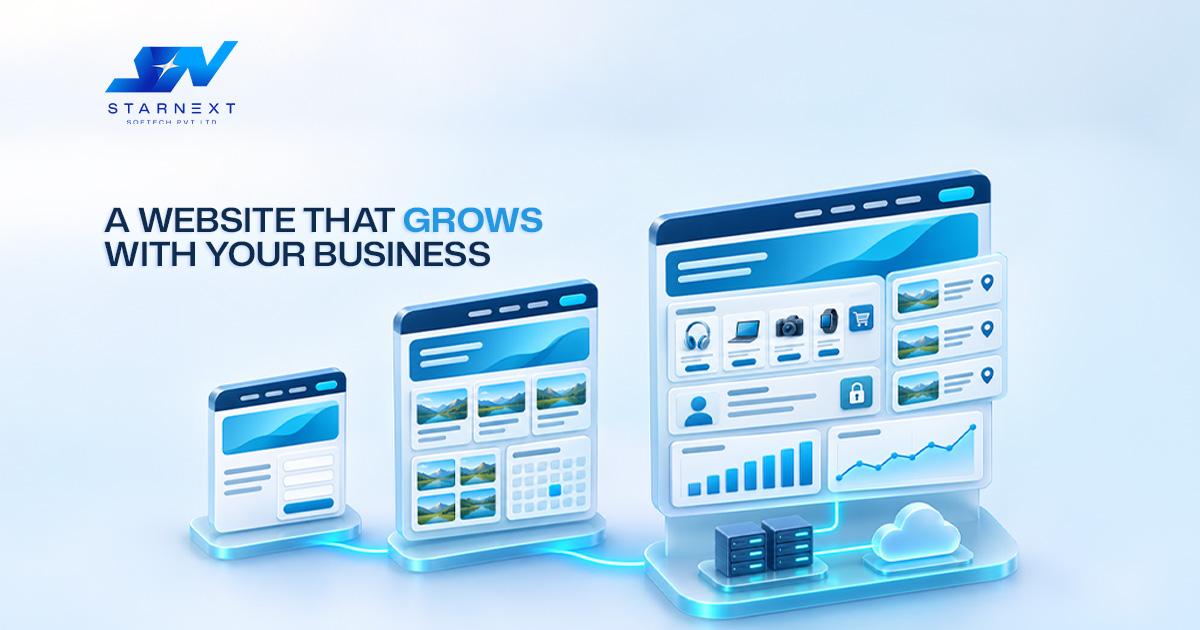
WordPress can support local websites as well as high-traffic publishing platforms. Scalability depends less on WordPress itself and more on the setup: hosting quality, caching database optimization, image delivery, code quality and plugin choices.
A growing business may begin with shared hosting and later move to managed WordPress hosting, a content delivery network or advanced infrastructure. That progression is possible because the platform is not tied to one hosting environment.
This is a reason businesses choose WordPress over a closed builder. The website can evolve as traffic content needs and commercial goals change.
9. A Large Community Reduces Long-Term Risk
WordPress has been around for more than two decades and has an active global community of developers, designers, agencies and contributors. Its official documentation, Learn WordPress resources and support community provide guidance for installation, maintenance and troubleshooting.
That ecosystem matters when something goes wrong. A business is more likely to find a developer, a documented solution or a replacement plugin than with a niche platform with a smaller talent pool.
It also creates competition. Hosting companies, theme developers, plugin makers and agencies compete to improve the WordPress experience, which gives businesses options.
10. It Balances Cost, Control and Flexibility
WordPress is not always the option. A built site with too many plugins, cheap hosting and no maintenance can become expensive to fix.
When built properly WordPress offers a strong balance between cost, control and flexibility. It allows businesses to start small and grow over time without having to rebuild from scratch. This makes it a reliable long-term choice for many.
In short WordPress remains the popular WordPress CMS because it gives businesses what they really need: ownership, adaptability and a solid foundation for growth. It is not perfect for every situation. For businesses that are serious about building a website that lasts, WordPress is still the top choice.
When planned well it offers strong value. The software is free while businesses pay for the parts that create value: design, development, hosting, security, content and support.
For organizations that trade-off is better than paying over and over again for a platform that limits what they can do. WordPress gives them a system they can shape to fit their business by forcing the business to fit the platform.
What WordPress Does Not Solve Automatically
WordPress is popular because it is flexible. Flexibility comes with responsibility.
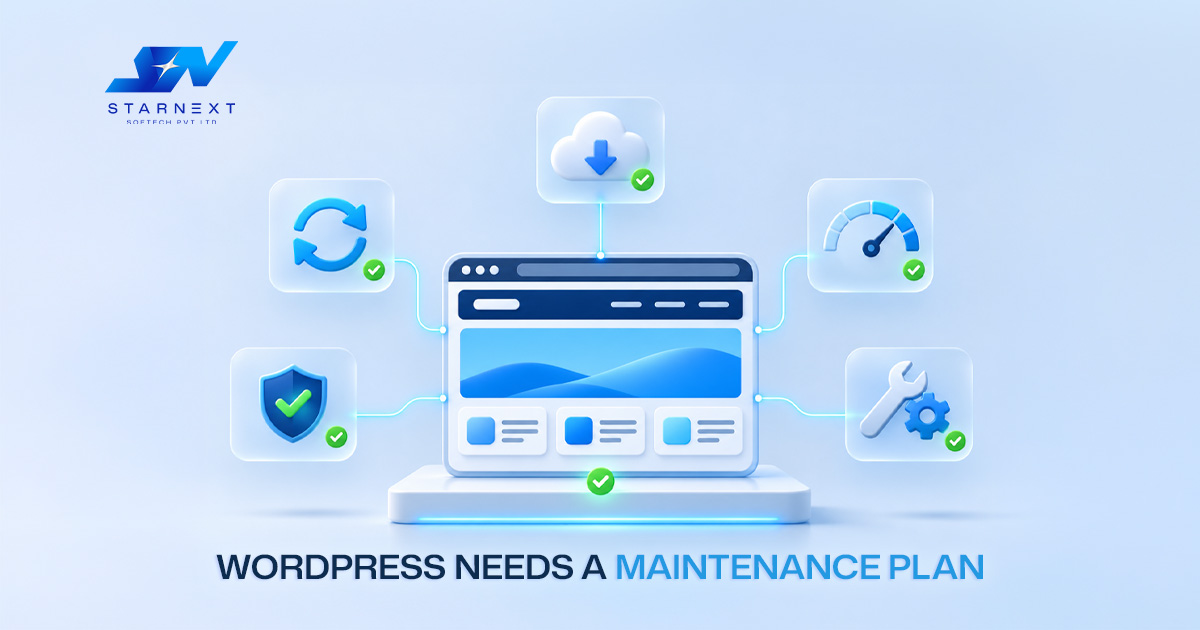
- Updates require attention: The core software, themes and plugins need updates to stay secure and work well.
- Security needs a process: Strong passwords, user access, backups, malware monitoring and trusted plugins help reduce risks.
- Performance needs management: Heavy themes, many plugins, unoptimized images and weak hosting can slow down the site.
- Quality varies widely: Not every theme or plugin is reliable, supported or secure.
- Maintenance is ongoing: A WordPress website is not a one-time project. It is a living system that needs care.
These are not reasons to avoid WordPress. They are signs that WordPress should be treated like a business system. It needs a maintenance plan.
Is WordPress the Right CMS for Your Business?
WordPress is usually a choice when a business wants control, content freedom, room to grow and access to a large development community. It works well for service businesses, publishers, local companies, professional firms and groups that expect their website to change over time.
It may not be the fit if a business only needs a simple brochure site with little to no maintenance. If a specialized platform already handles the core work better. For example an ecommerce-first brand might do better with a commerce platform depending on the products, operations and team skills.
The right choice depends on needs not trends. A WordPress CMS is powerful when it is planned, built and maintained with the care as any other business investment.
Final Thoughts
WordPress has stayed the CMS not because it is trendy but because it solves a real business problem: companies need websites that grow with them. It gives control without requiring every business to build software from scratch.
For organizations that care about flexibility, content ownership and long-term growth the benefits of WordPress are hard to ignore. The businesses that succeed are the ones that see WordPress website development is more than a design job. They plan the structure, pick tools carefully, keep security strong and keep improving the experience for people.