Top Digital Marketing Trends That Will Rule This Year
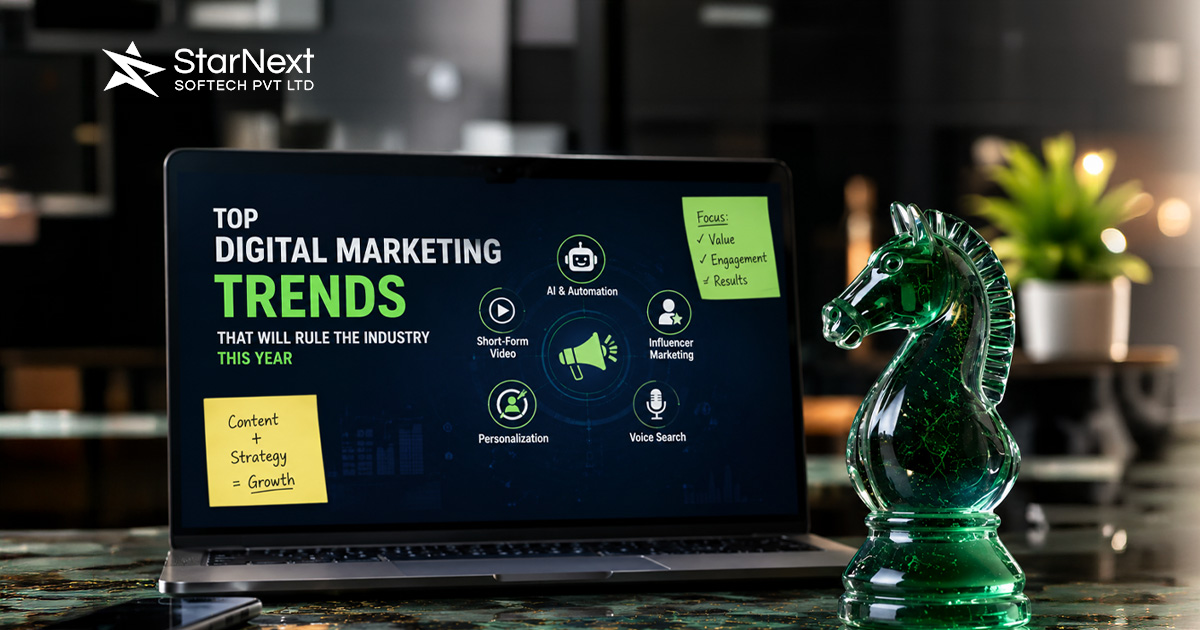
Digital marketing never stands still. What worked brilliantly a year ago may barely move the needle today. Consumer behavior changes, search engines update, social media platforms launch new features, and artificial intelligence is constantly changing the way businesses connect with their audiences. As a business owner, marketer, entrepreneur, or content creator, it’s not just helpful to keep up with the latest digital marketing trends; it’s necessary. The brands that are quick to adapt are the ones that build stronger customer relationships and generate more leads. So what are you watching this year? Here are the top digital marketing trends that will dominate the industry and help businesses to stay ahead of the competition.
1. AI Will Become an Everyday Marketing Assistant
Artificial Intelligence is no longer a buzzword and has become a staple of modern digital marketing. Companies are using AI to write content, create ad copy, analyze customer behavior, automate email processes, generate images, and provide instant customer support via AI-driven chatbots. AI is not taking marketers’ jobs It’s making marketers better at their jobs. The best brands are combining the speed of AI with human creativity to create content that is authentic and valuable. Content creation and brainstorming, email marketing automation, customer service chatbots, predictive analytics, personalized product recommendations and social media content planning are some of the popular ways to use AI. It's not simply about using AI, it's about using it strategically and keeping a human voice. That's the biggest trend.
2. Search Intent Will Matter More Than Keywords Alone
SEO is a beast that's always changing and the search engines have gotten much better at understanding what users actually want. Successful websites are now writing content that answers users’ questions and solves real problems, rather than stuffing pages full of keywords. If someone searches for “best laptops for students” for example, they don’t want a history of laptops. They want recommendations, comparisons, pricing and buying advice. What does this mean? Businesses should focus on the best quality, helpful content, topic clusters, long-tail keywords, user experience, fast-loading websites, and getting straight to the point with common questions. Google is increasingly rewarding sites that demonstrate expertise, authority and trustworthiness.
3. Short-Form Video Will Continue to Dominate
People are consuming video faster than ever. Instagram Reels, YouTube Shorts, TikTok, Facebook and more platforms. Millions of users continue to watch Reels every day. Short videos are great for product demos, behind-the-scenes content, educational tips, customer testimonials, brand storytelling, and quick tutorials. The good news is? You don’t need expensive equipment. Successful videos are often made with smart phones with good lighting and real storytelling. Consistency is far more important than quality of production.
4. Personalized Marketing Will Become the Standard

Consumers expect brands to know what they want today. Generic marketing messages just aren’t enough anymore. Businesses today leverage customer data to send personalized emails, make product recommendations, create tailored landing pages, use dynamic website content, deliver targeted offers and send behavior-triggered messages. When people get content that is relevant to their interests, they are much more likely to engage and buy. Personalization enhances customer experience and boosts conversions.
5. Voice Search Optimization Will Keep Growing
With the rise in popularity of smart speakers and voice assistants, more people are searching by speaking, not typing. Voice queries tend to be conversational. Instead of typing “best coffee shop Delhi” users may ask “Where’s the best coffee shop near me that’s open right now?” Businesses should be answering common questions, using conversational keywords, creating FAQ sections, optimizing for local SEO and making the content easy to read to get the most out of natural language. Voice search will not replace traditional search, but it is an important part of a complete SEO strategy.
6. First-Party Data Will Become More Valuable
As privacy regulations become stricter and third-party cookies continue to disappear, businesses are relying more on first-party data. First-party data includes information customers willingly share, such as email addresses, purchase history, website activity, survey responses, and royalty program information. Brands that build trust and collect quality customer data ethically will have a significant competitive advantage. This makes email marketing, customer communities, and loyalty programs more valuable than ever.
7. Social Commerce Will Continue to Expand
Social media platforms have evolved from a place to discover products to a place to shop. You can now browse products, read reviews, watch demonstrations, and make purchases without leaving the app. Shop on Facebook Shops, TikTok Shop, Pinterest and YouTube Shopping and make buying online a breeze. Brands that want to succeed in social commerce must focus on creating great photos and videos, authentic customer reviews, influencer collaborations, live shopping events and a seamless checkout process. One of the best ways to improve conversions is to shorten the distance between discovery and purchase.
8. Authentic Content Will Outperform Perfect Content
Today's audiences are less swayed by polished advertising and more by authenticity. People want to see real employees, real customers, honest experiences and real stories. Some of the most successful content includes: customer testimonials, content created by users, behind-the-scenes videos, day-in-the-life posts, founder stories, and employee spotlights. Consumers connect with people, not flawless marketing campaigns. Your personality when you show it to your brand builds trust and encourages long term loyalty.
9. Local SEO Will Be More Important for Small Businesses
Local SEO is one of your top priorities if you own a local business. When a customer searches for services “near me” search engines will rank higher businesses that have strong local signals. Businesses should regularly update their Google Business Profile, get genuine customer reviews, maintain accurate contact information, incorporate local keywords, produce location-specific content, and build local citations. If you have a restaurant, clinic, salon, or retail store, local SEO can be a game-changer for visibility.
10. Email Marketing Will Continue Delivering High ROI

Even with the rise of new marketing channels, email remains one of the most powerful digital marketing tools. The difference today is that email marketing success is very automated and personalized. Companies are building automated email journeys, such as welcome sequences, cart abandonment reminders, product recommendations, birthday offers, customer input requests and re-engagement campaigns. Brands are now focused on sending the right message to the right person at the right time, rather than sending mass emails.
11. Influencer Marketing Will Shift Toward Smaller Creators
Mega influencers still have their place but many brands are putting more money into micro and nano influencers. ‘Why?’ Smaller creators have better engagement rates, more loyal audiences, more authenticity, better expertise in their niche, and more affordable partnerships. A relatable creator’s recommendation is more likely to be trusted by consumers than that of a celebrity with millions of followers.
12. Data-Driven Decision Making Will Be Essential
The successful marketer no longer guesses. Analytics instruments give deep insight into customer behaviour, campaign performance and return on investment. Companies track website traffic, conversion rate, bounce rate, customer acquisition cost, email open rate, social media engagement and customer lifetime value. Marketers analyze this data regularly to optimize campaigns, allocate budgets more effectively and make smarter business decisions.
How Businesses Can Stay Ahead
With so many trends emerging, it's tempting to try everything at once. But the smartest approach is to focus on the strategies that align with your audience and business goals. Here are a few practical tips invest in high-quality, helpful content, use AI to improve efficiency, not replace creativity, prioritize SEO and user experience, create engaging short-form videos, build an email list you own, collect first-party data ethically, monitor analytics and adapt regularly, and stay flexible as platforms and algorithms evolve. Remember, digital marketing isn't about chasing every new trend. It's about understanding your customers and delivering value wherever they spend their time.
Final Thoughts
Digital marketing is still moving at a rapid pace, but one thing hasn’t changed: people want valuable content, authentic experiences and brands they can trust. We can expect more AI integration in everyday marketing this year, the rapid growth of short-form video to continue, a continued focus on personalized customer experiences and further SEO focus on user intent and quality content. Companies that intentionally embrace these trends, but do not forget their human touch, will be better positioned to foster stronger relationships, increase visibility and achieve long-term success. Don’t try and master every new tactic, pick one or two trends that will make the biggest impact for your business. And often the best long-term results come from doing little things, consistently.