Google Ads vs Meta Ads: Which Platform Actually Delivers ROI for Businesses in 2026?
A plumber offering emergency call‑out services and a skincare company launching a product should not use the same advertising strategy. The plumber must appear when a person searches for " pipe repair near me"; the skincare brand must capture attention before a shopper decides which serum to buy.
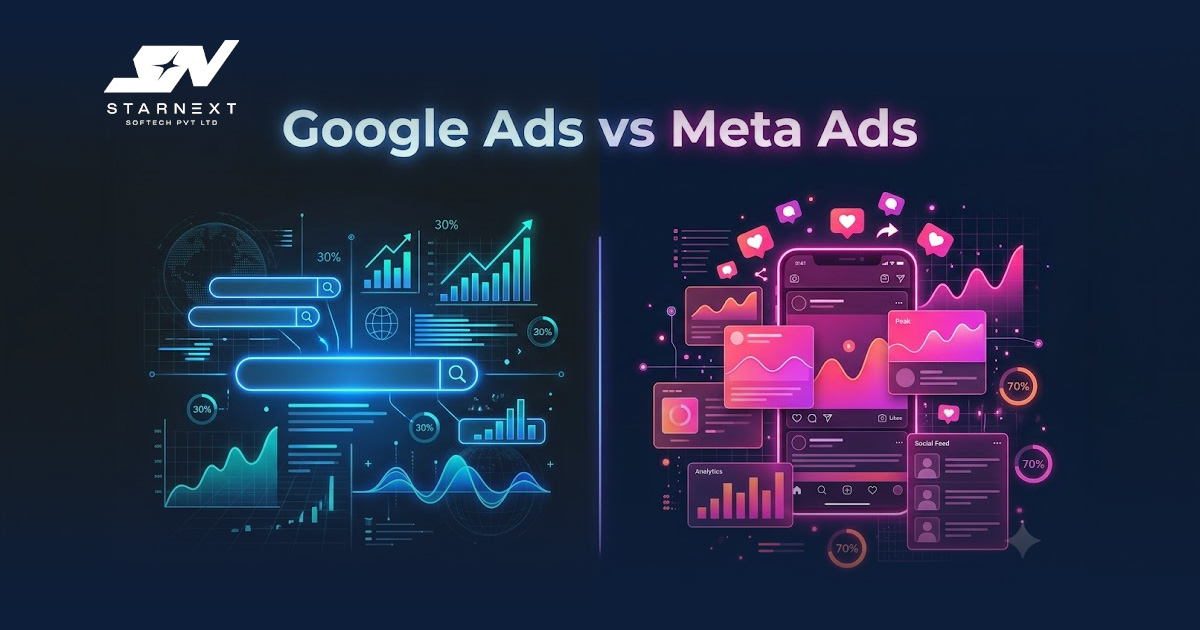
This difference explains most of the debate between Google Ads and Meta Ads. Google typically captures demand that already exists. Meta is often better at creating, shaping and retargeting demand. The platform that delivers ROI is the one that matches the customer's stage, the economics of the offer and the business's ability to turn interest into revenue.
The Short Answer: Google Captures Intent While Meta Creates Demand
For businesses that have clear high‑intent search demand Google Ads often delivers easier-to-attribute returns. A person searching "commercial pest control quote" or "buy office chair" has already signaled a problem or a purchase need. Google Search campaigns are built to place text ads in search results and partner sites for people who are actively looking for products and services.
Meta Ads reach people while they browse Facebook, Instagram, Messenger and other Meta placements. They can be relevant prospects but they are not always in a buying mindset at that exact moment. This makes Meta especially useful for products, new offers, audience building, video‑led education and remarketing.
| BUSINESS QUESTION | GOOGLE ADS | META ADS |
|---|---|---|
| Where it tends to work | When prospects already search for a solution | When prospects need to discover remember or consider an offer |
| Core strength | Capturing high‑intent demand | Audience reach, creative persuasion and demand generation |
| Primary optimisation lens | Qualified leads, bookings, profitable sales | Incremental revenue qualified leads, new‑customer acquisition |
| Common mistake | Buying broad irrelevant traffic | Optimising for clicks or weak leads |
The practical point is simple: Google may win on immediate last‑click ROI while Meta may do more to create future branded searches, direct visits and later conversions than a last‑click report can show.
ROI Starts With the Definition of a Valuable Conversion
"Return on investment" becomes unhelpful when one business counts every form submission and another counts only closed revenue. A £12 Meta lead is not a bargain if most contacts never answer the phone. A £95 Google lead may be very profitable if it produces a £3,000 project, with margin.
For ecommerce return on ad spend is a starting metric: revenue attributed to ads divided by ad spend. For services the revealing question is often: after ad cost, fulfilment cost and sales effort did this customer produce profit? That requires linking campaigns to leads, appointments, closed deals, cancellations, repeat purchases and gross margin.
Why Attribution Can Mislead a Platform Comparison
Consider a homeowner who watches a Meta video about a renovation company, looks up that company two days later, clicks on a Google ad and asks for a quote. A last‑click model would give all credit to Google. Meta might have first made the homeowner aware. The opposite error can also happen: a broad platform attribution might claim a sale that would have happened even if no ad was shown.
Use platform reporting to help improve campaigns. Confirm decisions with CRM data, backend revenue, lead‑quality notes, branded‑search patterns and when budget allows structured holdout or geo tests. No ad dashboard can replace judgment.
When Google Search Ads Usually Produces the Stronger Direct Return
Google Ads is not limited to Search. Google advertising covers Search, Shopping, Display, YouTube, app campaigns and automated formats such as Performance Max. A Google Ads campaign should be chosen based on business economics and customer behaviour not just because a competitor is using it.
For direct‑response businesses Google search ads are often the place to start. The query gives a clue about urgency and intent. Google's own guidance says Search ads appear when people search for terms linked to an advertiser's keywords making them suitable for reaching people who are actively looking for products or services.
High‑Intent Services Often Prefer Search
Google is often the first test when a buyer is already looking for a specific answer:
- Urgent and time‑sensitive services such as plumbers, locksmiths, repair providers and emergency clinics.
- Local professional services such as dentists, accountants, solicitors, removal firms and specialist consultants.
- B2B problem‑led searches such as "managed IT support for law firms" or "payroll software for business."
- Retail and product comparison searches where shoppers evaluate price, availability, delivery, features or alternatives.
A specialist dental clinic might separate queries like "emergency dentist" "Invisalign consultation" and location‑based treatment searches by sending every visitor to one generic page. The ad, landing page, phone handling, appointment system and follow‑up all must match the query. Paying for a click does not produce ROI by itself.
Search has limits. High‑intent clicks can be costly in law, finance, home services, healthcare and competitive B2B categories. Importantly Search cannot generate volume where there is little search demand. A business that relies on Google may capture the ready‑to‑buy portion of the market while missing people who will buy later.
Where Meta Ads Can Provide Better Business Value

Meta is most persuasive when the offer can be seen, felt demonstrated or explained before the buyer starts actively searching. A fitness studio can show a class environment. A furniture retailer can showcase a room transformation. A restaurant can make a new menu feel tangible in 15 seconds. That is different from bidding on a query; it is a way of making the offer memorable.
The current term is Meta Ads. Meta is the company behind Facebook, Instagram, Messenger and WhatsApp. Searches such as "What is Meta" are usually seeking that basic distinction: Meta is the parent company and advertising ecosystem while Meta Ads is the platform advertisers use to run campaigns across eligible placements.
Meta Needs Creative That Truly Sells
Meta tends to be a fit for fashion, beauty, homeware, fitness, food, events, memberships, online courses and ecommerce offers that have enough margin to support acquisition. Meta can also help brands that have little existing search volume for their names or products.
A premium salon may find that generic local search phrases are crowded and price‑sensitive. A short Instagram video that shows a colour transformation introduces the stylist, explains the consultation and presents the result can build preference before the booking search. The campaign is not just renting traffic; it is improving the prospect's understanding of why this business's worth choosing.
Cheap Meta clicks should still be treated with caution. If the campaign optimises for traffic it may attract people likely to click rather than people likely to become customers. Optimise toward the meaningful event, with enough volume: a qualified lead, booked consultation, purchase, subscription or sales‑qualified call.
Choose a Platform Based on the Job It Must Do
| BUSINESS SITUATION | BEST STARTING POINT | REASON |
|---|---|---|
| Customers actively search for the solution | Google Search | Capture demand at the moment of need. |
| A visual consumer product needs discovery | Meta Ads | Creative can create interest before a search happens. |
| Search volume is low. Market potential is high | Meta Ads | Prospecting and education matter more than keyword capture. |
| The business needs calls or quote requests | Google Ads | Search intent is generally stronger and faster-moving. |
| The offer has repeat purchases or a product catalogue | Both platforms | Meta can acquire and retarget; Google can capture product- demand. |
| The sale is high-value | Both, connected to CRM data | Google reaches active evaluators; Meta warms future buyers. |
For organisations the useful question is not "Google or Meta?". What role should each channel play?" Meta can introduce the offer; Google can capture research; remarketing can reconnect with people who were interested but not ready.
The Campaign Errors That Quietly Destroy ROI
- Treating every lead as equal: Send source data into the CRM and record qualification meetings, sales, revenue, refunds and retention. Otherwise Google Ads or Meta Ads learns to generate volume, not value.
- Using one landing page: A search for "warehouse security systems" requires a different page proof point and call to action than a Meta Ads ad introducing smart security for small offices.
- Allowing fatigue to build on Meta Ads: Even Meta Ads lose attention. Test new customer objections, demonstrations, messages, offers and formats not new colours or a revised headline.
- Feeding conversion data into automation: Duplicate tags, test leads, accidental form submissions and unqualified events can push automated bidding in the wrong direction.
- Optimising for a metric: Reach, likes, cheap clicks and low cost per lead mean little if customer quality or profit is weak.
- Old and current terminology: "what is google adwords" remains a common query because Google AdWords was the former name of Google Ads. It is not a platform today.
A Practical 90-Day Test for Google Ads and Meta Ads
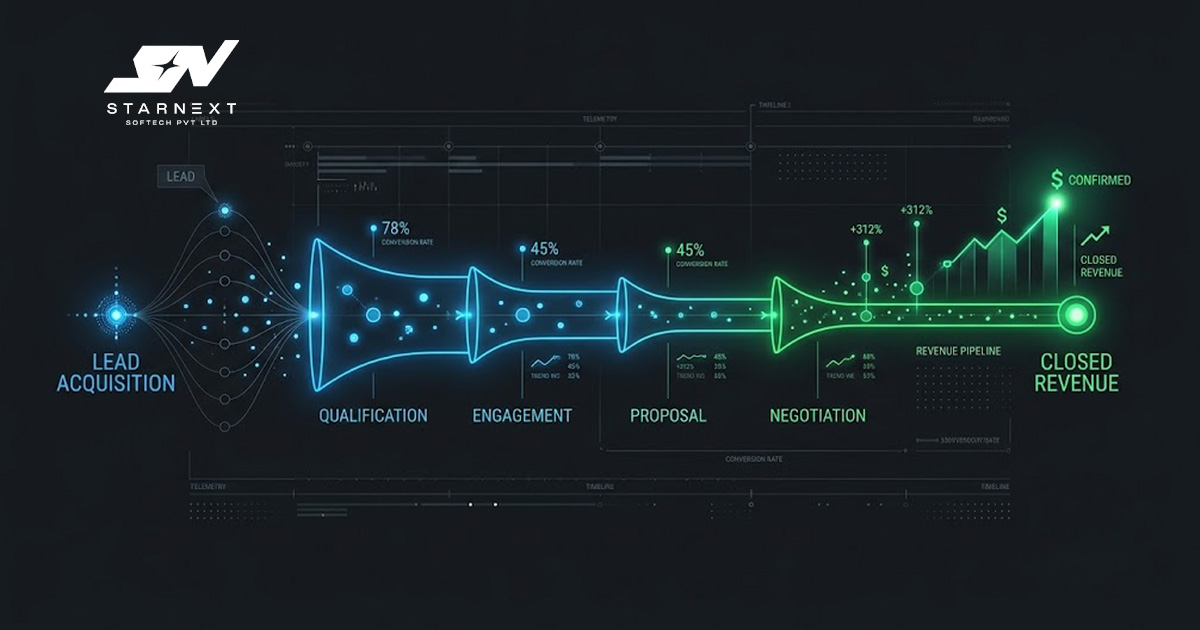
Do not divide a budget 50/50 simply because two platforms are under review. Fund the channel that's most likely to reach commercially useful demand then give the test enough time and conversion volume to be informative.
- 1.Set commercial measurement first. Track. Values where possible, plus calls, lead sources, qualified leads, appointments, closed deals and revenue in the CRM.
- 2.Launch focused Search activity. If search demand exists, build themed campaigns around profitable services, locations and high-intent queries. Review search. Add exclusions before expanding.
- 3.Give Meta Ads a purpose. Use prospecting creative to introduce the offer and create retargeting for product viewers, site visitors, video viewers, cart abandoners and engaged audiences. Do not merely duplicate Google keywords in a Meta Ads campaign.
- 4.Review lead quality weekly. Compare booking rates, contact rates, sales acceptance, average order value, close rate and refund or cancellation patterns not platform-reported cost per conversion.
- 5.Scale gradually. A campaign that works at £50 a day may weaken at £500 as it moves beyond the queries or most responsive audience. Watch return as the budget rises.
The Real ROI Decision
The better platform is not the one, with the attractive dashboard ROAS. It is the platform that reaches the person at the right stage, produces a sales outcome that your business can profit from and keeps doing so as investment grows.
Use Google to be present when demand is explicit. Use Meta to earn attention before demand is explicit. Then link both channels to clean conversion and revenue data. That is how paid media becomes a growth system instead of a monthly spend line that is hard to explain.