How a Fast Website Can Increase Your Sales and Leads
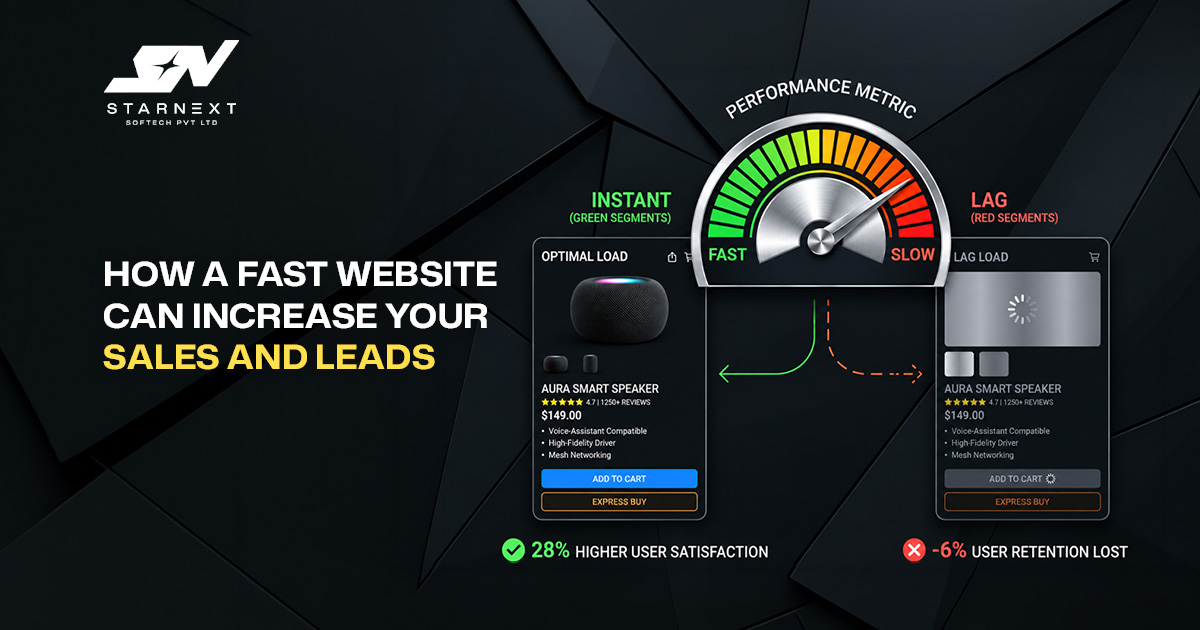
Be honest with yourself for a second. What do you do when a website takes forever to load? You leave. Maybe you give it a second chance, hit refresh once, and then you're gone - probably onto a competitor's site that loaded in the time it took you to blink. Nobody sits there patiently watching a spinning wheel anymore. We've all got the attention span of a caffeinated squirrel when it comes to the internet, and honestly, that's just how it is now. Here's the thing though - a lot of businesses still treat website speed like it's some minor technical detail their developer should "look into eventually." It's not a footnote. It's one of the biggest, quietest reasons potential customers are slipping through the cracks before they even see what you're selling. Let's talk about why that happens and why fixing it might be one of the highest-return changes you can make to your business.
The First Few Seconds Decide Everything
Think about it like a storefront. If you walked up to a shop and the door was jammed, wouldn't budge, took you fifteen seconds of shoving before it finally opened - would you even bother going in? Most people wouldn't. They'd just walk to the next shop down the street. That's basically what a slow website does. Visitors form an opinion about your business almost instantly, often before they've even registered what your homepage says. If the page is dragging its feet, that first impression isn't "professional" or "trustworthy." It's "annoying," and annoying doesn't convert. And we're not talking about people being willing to wait ages here. Even a delay of two or three seconds is enough to make a chunk of visitors bounce. Google's own research over the years has consistently shown that as load time increases, the chances of someone abandoning the page shoot up dramatically. A one-second delay might not sound like much, but multiply that across thousands of visitors and it adds up to real, measurable lost revenue.
Slow Sites Quietly Kill Trust
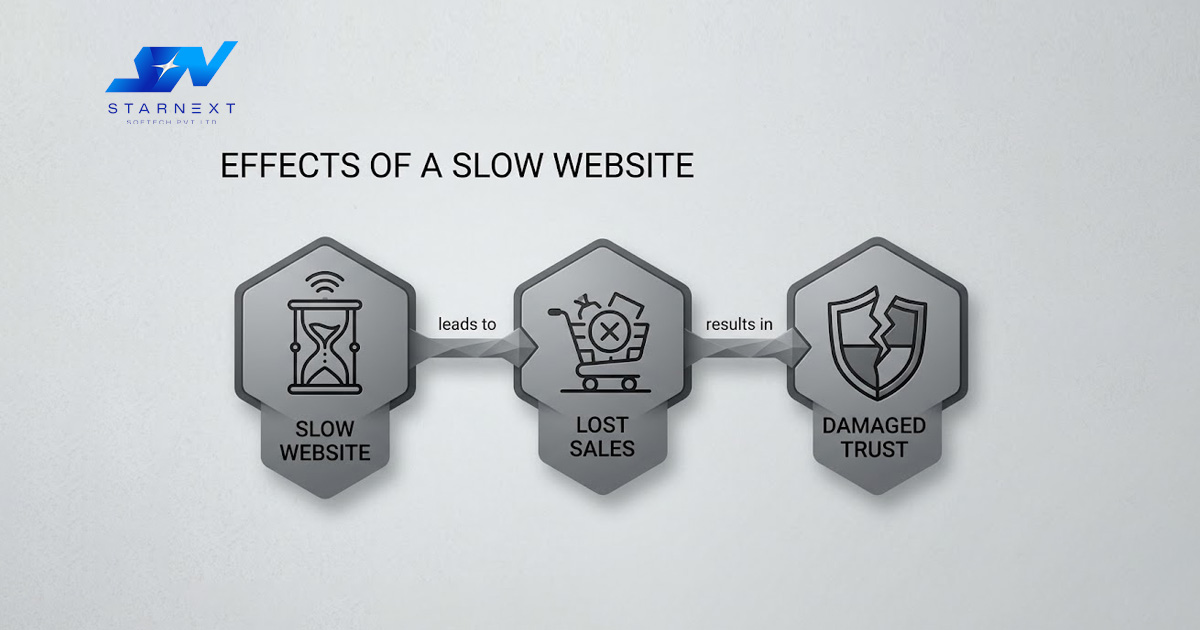
There's also a psychological piece to Website Development that doesn't get talked about enough. When a website loads instantly, there's an unspoken sense that the business behind it has its act together. It feels current, cared for, legitimate. When a site crawls, stutters, or freezes halfway through loading images, it plants a tiny seed of doubt - even if nobody consciously thinks "This company seems unreliable.” They just feel it, and then they leave, and they probably couldn't even tell you exactly why. This matters even more if you're in a space where trust is a big part of the buying decision - think healthcare, finance, legal services, or anything where someone's handing over sensitive information or serious money. A laggy website in those industries doesn't just cost you a sale. It costs you credibility.
Speed Directly Affects Whether People Actually Convert
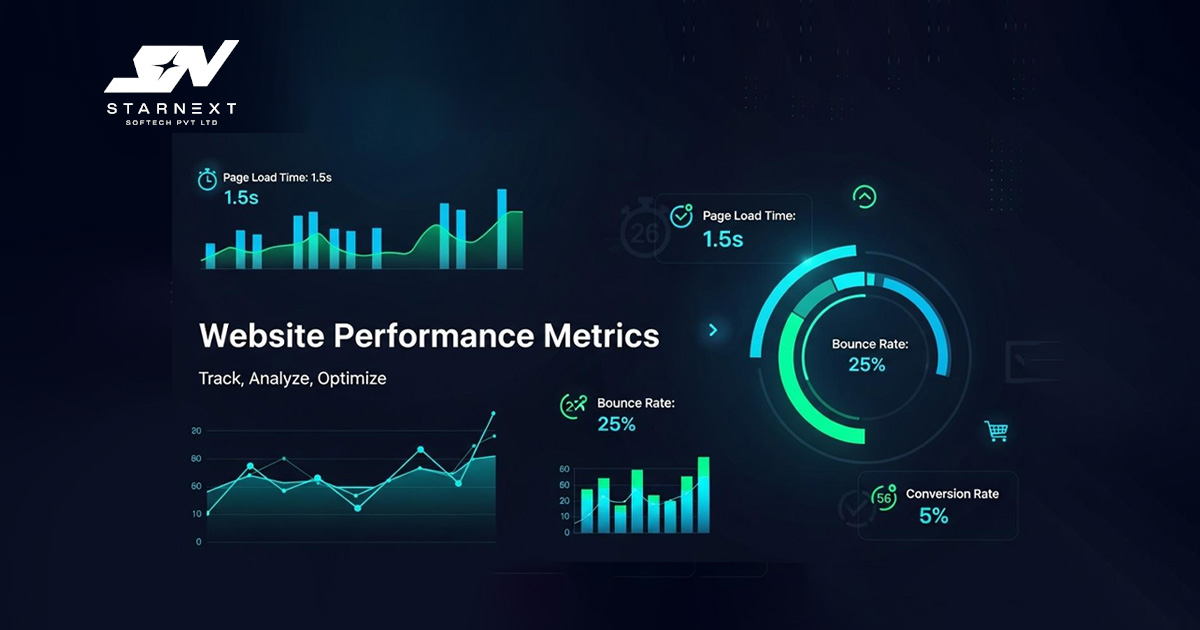
Let's get concrete for a second, because user experience can sound a little abstract until you connect it to the numbers. Every extra second your site takes to load is another second where someone can get distracted, change their mind, or simply lose patience and bail. That's true whether someone's trying to buy a product, fill out a contact form, book a consultation, or sign up for a newsletter. The longer the wait, the more people drop off before they finish whatever action you actually wanted them to take. This is especially brutal on mobile. A huge chunk of traffic these days comes from phones, often on patchy Wi-Fi or spotty data connections, and mobile users are even less forgiving of slow load times than desktop users. If your site isn't optimized for speed on mobile specifically, you could be losing a serious percentage of potential leads before they even reach your offer. And it's not just about that first visit either. Slow sites also tend to have higher bounce rates and shorter session times, which search engines notice. Google has openly said that page speed is a ranking factor, meaning a sluggish website can also hurt how easily people find you in the first place. So a slow site isn't just losing you conversions - it might be quietly losing you visibility too.
Fast Websites Make Browsing Feel Effortless
There's a reason the best-performing e-commerce sites and lead-gen pages feel almost invisible when you use them. Pages load instantly, images pop in without delay, and forms submit without a weird pause where you're wondering if you actually clicked the button. That kind of effortlessness matters more than people give it credit for. When browsing feels smooth, people naturally explore more. They click into another product, scroll a little further, and read one more section before deciding. Friction, on the other hand - even small friction like a half-second lag between clicks - subtly discourages people from continuing. It's not dramatic. It's just death by a thousand tiny frustrations, and by the time you notice your conversion rate creeping down, you might not even connect it back to load times.
It's Not Just About Speed for Speed's Sake
To be fair, a fast website by itself isn't a magic fix. If your messaging is confusing or your offer isn't compelling, speed alone won't save you. But speed is the foundation everything else sits on. You could have the most persuasive copy and the most beautifully designed page in the world, and none of it matters if half your visitors never actually stick around long enough to read it. Think of speed as removing the obstacles between someone landing on your site and actually experiencing what you're offering. It's not the whole sales pitch - it's what makes sure people are even still there to hear the pitch at all.
Small Fixes, Big Payoff
The good news is that improving site speed doesn't usually require a total overhaul. Often it comes down to things like compressing oversized images, cleaning up bloated code, reducing the number of unnecessary plugins or scripts, using a reliable hosting provider, and making sure the site is actually optimized for mobile rather than just "shrunk down" from a desktop version. None of that is glamorous work, and it's easy to put off because it doesn't feel as exciting as redesigning your homepage or launching a new campaign. But in terms of actual return, speeding up your site is one of the few changes that improves your results across the board - better user experience, better search visibility, and more people actually completing the action you wanted them to take in the first place. At the end of the day, a fast website isn't a luxury feature. It's the quiet, unglamorous groundwork that everything else - your marketing, your branding, your sales funnel - is standing on.