Common Digital Marketing Mistakes That Are Costing You Money
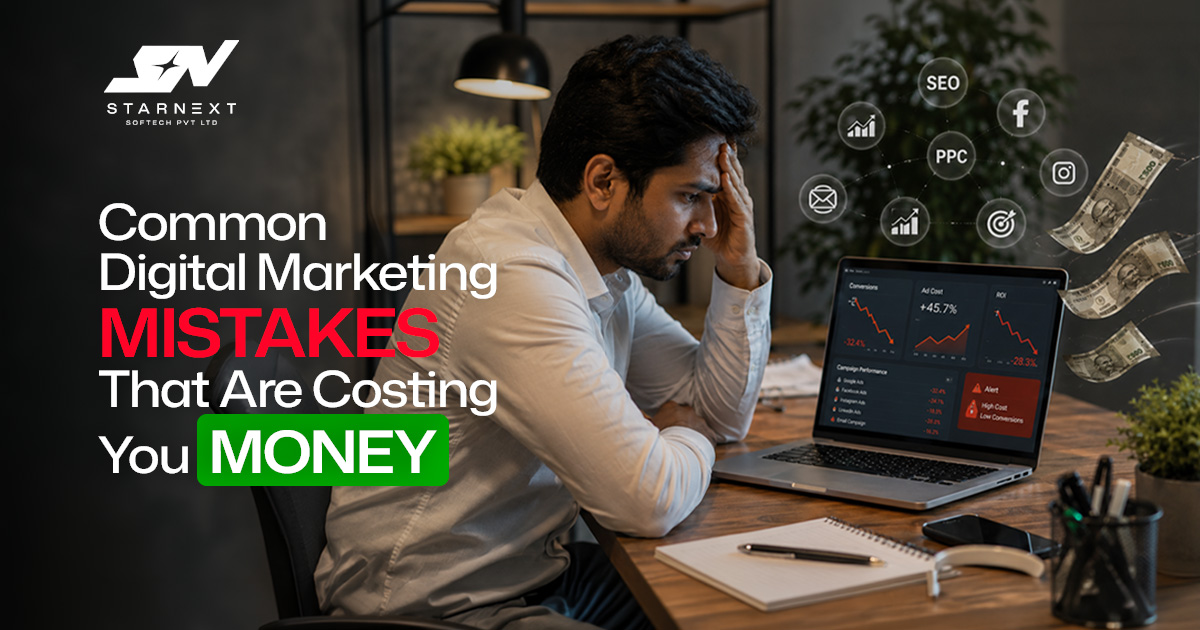
Is your digital marketing spend not delivering the results you expected and quite a bit? You are not by yourself. Most companies spend a lot of money on SEO, social media, Google Ads, email marketing, and content creation to get more customers. But all that effort and the leads aren’t there, sales aren’t growing, and the marketing budget is burning faster than you would have liked. The reality is that digital marketing isn’t about spending more; it’s about spending more intelligently. A few small mistakes can eat away at your budget and stunt your growth over time. The good news? Most of these mistakes are completely avoidable. In this blog, we'll explore the most common digital marketing mistakes businesses make and, more importantly, how you can fix them before they cost you even more money.
1. Ignoring Your Target Audience
One of the biggest mistakes in digital marketing is trying to market to everyone. It might seem logical to cast a wide net, but generic marketing rarely works. Different audiences have different needs, interests, and buying behaviors. Imagine promoting luxury skincare products to teenagers or advertising gaming laptops to retirees. Even if your campaign reaches thousands of people, very few will actually convert. Instead, spend time understanding your ideal customer. Ask questions like, 'Who are they?', 'What problems are they trying to solve?”, ‘Which platforms do they use?’, ‘What kind of content do they enjoy?’, and ‘What motivates them to make a purchase?’ Creating customer personas can help you deliver more relevant content, improve engagement, and reduce wasted ad spend.
2. Neglecting SEO
Many businesses focus heavily on paid advertising while overlooking Search Engine Optimization (SEO). Paid advertising traffic disappears the minute you stop paying for it. SEO, in contrast, continues to work for you over time. If your website isn’t search engine optimized, you are probably losing valuable organic traffic every single day. Some of the most common SEO mistakes are poor keyword research, duplicate content, slow website speed, missing meta titles and descriptions, broken links, thin content, and ignoring internal linking. SEO is a long term investment but pays off in terms of visibility and less dependence on paid ads.
3. Not Tracking Marketing Performance
Imagine operating a business without looking at your sales figures. That’s exactly what happens when companies run marketing campaigns without tracking performance. Most companies spend thousands on advertising and never track website traffic, conversion rates, cost per lead, ROI, bounce rates, or customer acquisition costs. Without data you’re just another person with an opinion. Tools like Google Analytics, Google Search Console, Meta Ads Manager, and CRM dashboards give you valuable insight into what's working - and what's not. The more you measure, the better your marketing decisions.

4. Publishing Content Without a Strategy
Blogs or social media updates that are published randomly just to 'stay active' rarely generate meaningful results. Every piece of content must have a purpose. Ask yourself, 'Is it teaching potential buyers anything?' 'Does it answer the normal questions?' 'Does it build trust?' 'Does it make people want to do something?' A content strategy can help ensure that your efforts are aligned with your overall business goals. Consistency matters but even more important is relevance.
5. Ignoring Mobile Users
Most people today visit websites on their smartphone. Your website may look good on a desktop, but if it is slow to load or looks bad on mobile devices, you are losing potential customers before they even read your content. Common mobile issues are text too small, long load times, hard to navigate, buttons too small, and a bad checkout experience. A mobile-friendly website improves user experience and SEO rankings. Google has also emphasized the necessity of mobile-first indexing, which makes mobile optimization more important than ever.
6. Spending Too Much on Paid Ads Without Optimization
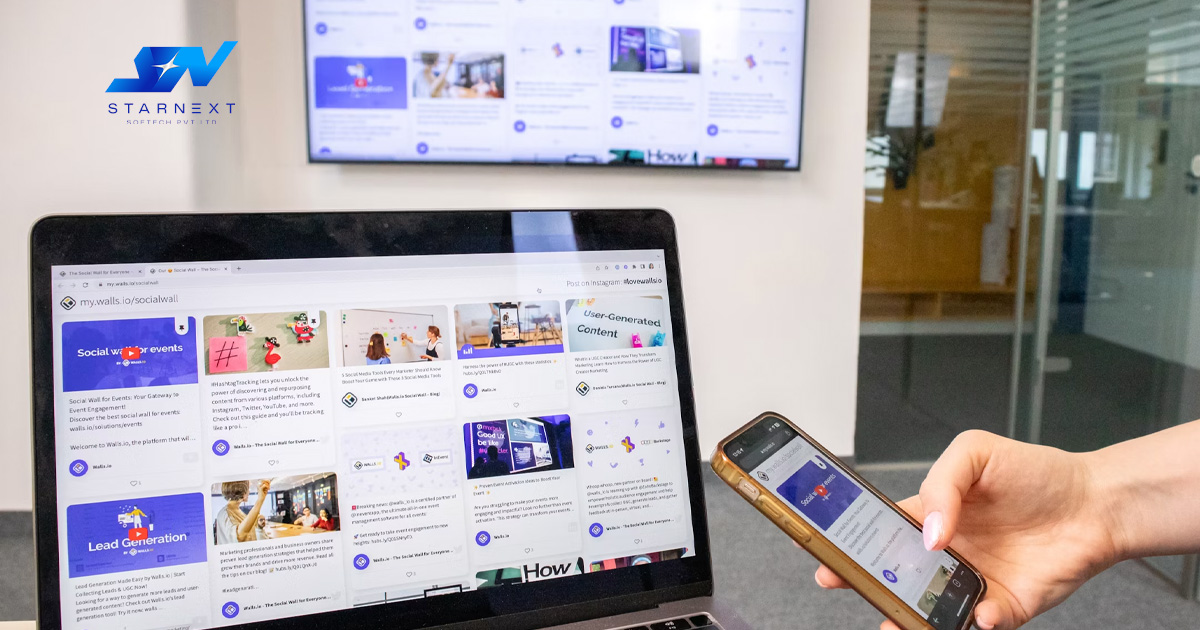
Running paid ads is easy. Running profitable paid ads is much harder. Many businesses assume that increasing their advertising budget will automatically generate more sales. That’s sadly not often the case. Advertising is a matter of constant optimization. This includes testing different headlines, optimizing ad creatives, honing in on audience targeting, adjusting bidding strategies, monitoring conversion rates, and cutting down underperforming campaigns. You can increase your return on ad spend (ROAS) by optimizing it on a regular basis.
7. Forgetting About Email Marketing
Some businesses believe email marketing is outdated. In reality, it's still one of the highest-performing digital marketing channels. Unlike social media, your email list belongs to you. Algorithms can't suddenly reduce your reach. Email marketing helps businesses to nurture leads, recover abandoned carts, announce promotions, share valuable content, and create long-term relations with customers. The key is to send useful, personalized emails, not endless sales pitches.
8. Inconsistent Branding
Ever visited a company’s website then checked out their social media and felt like they were two completely different businesses? Confusing branding equals confusion. Maintain a consistent logo, colors, messaging, tone of voice and visual identity across all platforms. Good branding makes your business recognizable to customers and trusted more easily. Familiarity breeds confidence, and consistency earns it.
9. Ignoring Customer Reviews
Online reviews are impacting buying decisions more than ever. Many companies work hard to acquire new customers but forget to take care of their online reputation. Trust comes from positive reviews. Ignore the negative reviews, but this can put off future customers. Ask happy customers to leave you a review on Google, Facebook, or any industry-specific review sites. A professional reaction to negative feedback shows transparency and customer care.
10. Using Weak Calls-to-Action (CTAs)
You've created exceptional content. People visit your website. Then...nothing happens. Why? Because many businesses forget to tell visitors what to do next. Each page should have a clear call to action. Examples include: Contact Us Today, Get a Free Quote, Download Our Guide, Schedule a Consultation, Start Your Free Trial, Shop Now. A simple CTA dramatically increases your conversion rate.
11. Focusing Only on Selling
People don’t come to sites to look at ads. They are looking for solutions. When every blog post, social media post, or email is a sales pitch, your audience will lose interest fast. Instead, the emphasis is on adding value. Create content that helps you answer common questions, solve problems, educate customers, offer useful tips, and build trust. If your customers see you as an authority and a trusted source of information, they will be much more likely to buy from you in the future.
12. Giving Up Too Soon
Perhaps the most expensive mistake is expecting instant results. Digital marketing is a long-term investment. SEO takes time. Content marketing takes time. Building an engaged audience takes time. Many businesses fail within a few months, as they are not getting instant results. The biggest rewards usually go to consistent people. Often success or failure is a matter of patience and consistent optimization.
How to Avoid These Costly Digital Marketing Mistakes
You don’t have to increase your budget to get better at digital marketing. It needs a more intelligent approach. Some good practices to keep in mind are clearly defining your target audience, investing in SEO for long-term growth, tracking every important marketing metric, and producing valuable content that is customer-focused. Another tip that can be helpful is to optimize your website for mobile, test and improve your paid advertising campaigns regularly, build and nurture an email list, maintain consistent branding, and encourage and manage customer reviews. Also helpful is using strong calls-to-action throughout your website, focusing on educating before selling, and being consistent and patient. Often a number of small improvements across a range of areas will do better than one big marketing campaign.
Final Thoughts
Digital marketing can be one of the most efficient ways to grow your business - but only when it’s done strategically. Many companies waste money on campaigns that target the wrong audience, don’t prioritize SEO, don’t analyze their analytics, or put out content that has no clear purpose. Other marketers ignore basic opportunities like improving their mobile website experience, building an email list, and getting customer reviews. The good news is, these are mistakes that are fixable.
You can improve your marketing results without necessarily raising your budget by knowing your audience better, tracking performance, creating useful content, optimizing for search engines, and making decisions based on data. You can’t do all things at once in terms of digital marketing. It’s about always doing the right things, learning from your data, and adapting as your business scales. Your efforts to improve today can lead to better traffic, higher conversions, and a healthier return on your marketing investment tomorrow.