How AI Is Changing Website Development and Web Design
A few years ago, if you wanted a website, you had a fairly predictable process ahead of you. You'd brief a designer, wait for mockups, go back and forth on revisions, hand things off to a developer, wait some more, test everything, fix the stuff that broke, and eventually launch. Slow, sure. But predictable. That process still exists. But it's not the only option anymore, and honestly, it's not always the default one either. AI has quietly wormed its way into pretty much every stage of building a website - from the first "what should this even look like" conversation all the way through to the code that makes it run. And no, this isn't one of those "robots are taking over" pieces. It's more interesting than that, because what's actually happening is a lot messier and more human than the headlines make it sound. Let's get into what's actually changed.
Design Used to Start With a Blank Page. Now It Doesn't.
Ask any designer what the hardest part of a project is, and a good chunk of them will tell you it's staring at an empty canvas trying to figure out where to even begin. That blank-page problem used to eat up hours, sometimes days. AI tools have basically removed that first hurdle. Instead of starting from nothing, a designer can now describe what they're going for - "clean, minimal, confident, feels like a fintech brand but warmer" - and get a starting point in seconds. Not a finished product. A starting point. Something to react to, tear apart, and shape into what the project actually needs. That's a genuinely useful shift, because most designers aren't precious about their first idea anyway. They're precious about the final result. AI just moves the "figuring it out" phase along faster, which means more time actually gets spent refining and polishing instead of just getting unstuck. Colour palettes, layout suggestions, font pairings, even rough content structure - a lot of that grunt work can now be generated and then adjusted by an actual human who knows what looks right for the brand in front of them. The taste, the judgment, the "does this actually feel like us" instinct - that part hasn't gone anywhere. It's still very much a person's job.
Development Has Sped Up in a Big Way
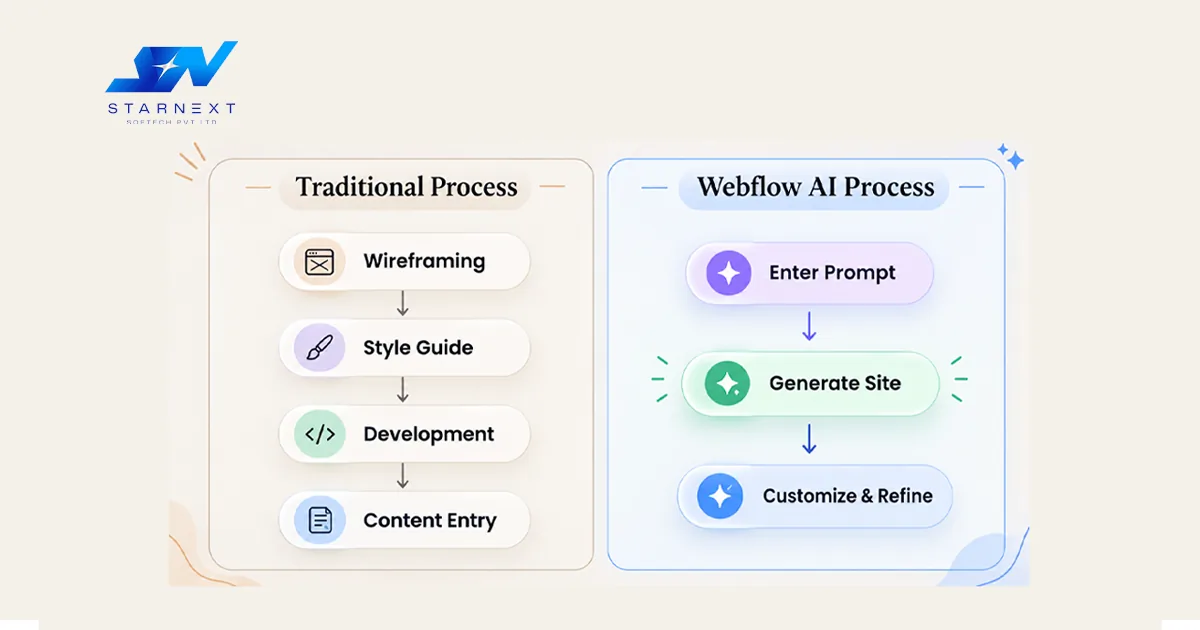
On the website development side, the shift might be even more noticeable. Writing code from scratch used to eat an enormous chunk of a developer's time - not because the logic was necessarily hard, but because so much of it was repetitive. Boilerplate code, standard functions, common UI components, that kind of thing. AI coding assistants have gotten genuinely good at handling that repetitive layer, suggesting code as developers type, catching errors before they cause problems, and even writing entire chunks of functional code from a plain-English description of what's needed. This doesn't mean developers are becoming obsolete - quite the opposite, really. It means the boring, repetitive 40% of the job is getting automated, which frees up time for the parts that actually require real skill: architecture decisions, figuring out how different systems should talk to each other, security, performance, and making sure the whole thing doesn't fall apart under real-world use. Those are still very human problems that need human judgment. What's changed is the pace. Projects that might have taken weeks can sometimes be prototyped in days. That's not a small thing for businesses trying to move quickly or test an idea before committing serious budget to it.
Personalisation Got a Lot More Realistic
Here's a part that doesn't get talked about as much but genuinely matters: AI has made it far more practical for websites to adapt to the person actually looking at them. In the past, "personalized website experience" mostly meant showing someone's first name in an email or maybe recommending a product based on one thing they clicked once. Now, sites can shift content, layout, or recommendations in real time based on someone's behaviour, location, or browsing history - and do it without a developer manually coding a hundred different scenarios. Think about an online store that rearranges its homepage based on what a specific visitor tends to browse, or a service site that adjusts its messaging depending on whether someone seems to be comparing options versus ready to book. That kind of responsiveness used to require serious engineering resources. Now it's within reach for a lot more businesses, not just the giants with massive development teams.
Chatbots Grew Up
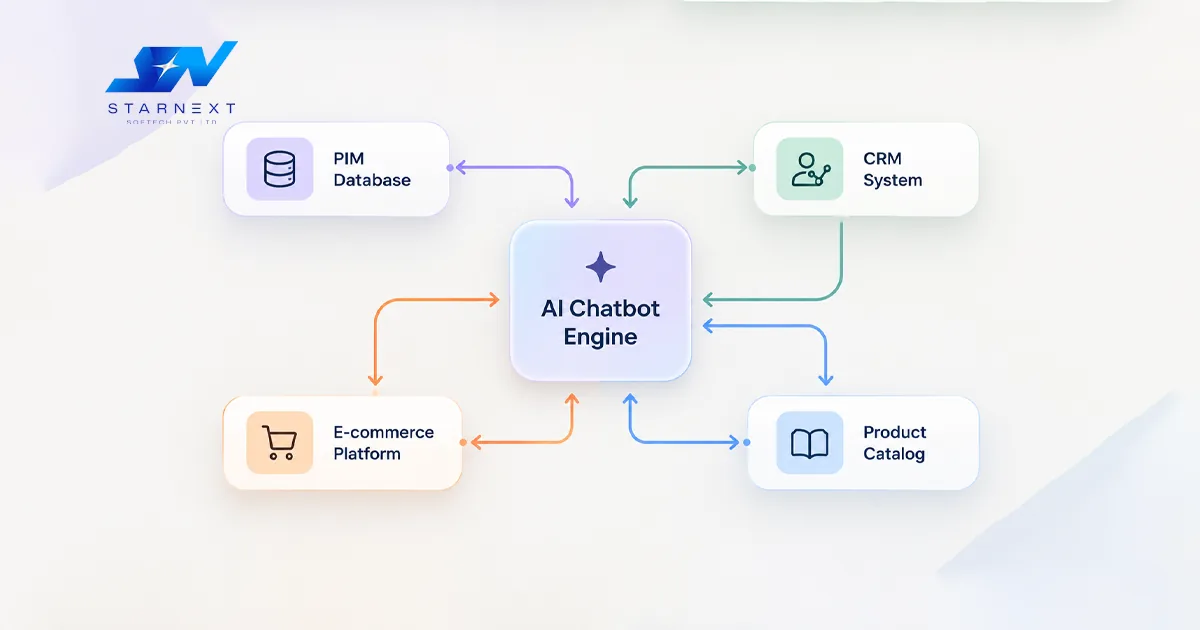
Remember the early days of website chatbots? The ones that could only answer three pre-written questions and fell apart the second you asked anything slightly off-script? Those weren't exactly winning anyone over. AI-powered chat has come a long way since then. Modern versions can actually understand context, hold a reasonably natural conversation, pull relevant information, and hand things off to a real person when the conversation genuinely needs one. For businesses, that means visitors can get real answers at 2am on a Sunday instead of just a "leave your email and we'll get back to you" form that quietly gets ignored for three days. It's not perfect, and it's definitely not a full replacement for human support in every situation. But it's closed a lot of the gap between "instant answer" and "wait for business hours," which matters more than people give it credit for when it comes to actually capturing a lead before they lose interest and click away.
Testing and Fixing Problems Got Smarter Too
One underrated shift is happening behind the scenes with quality control. AI tools can now scan a website for accessibility issues, broken links, slow-loading elements, and usability problems far faster than a human manually clicking through every page. That doesn't mean human testing is pointless - real people still catch things software misses, especially around how something actually feels to use. But catching the obvious, fixable stuff early means fewer embarrassing bugs slip through to launch and fewer late nights spent tracking down why a page suddenly broke.
So What Hasn't Changed?
Here's the part that matters most, honestly. AI is genuinely good at speed, patterns, and handling repetitive work. It's not particularly good at understanding a brand's personality, reading a room, or making the kind of judgment call that comes from actually knowing your audience. A website still needs someone asking "does this feel right for who we're trying to reach" and "will a real person actually understand how to use this." That instinct isn't something AI has replicated, and honestly, it might be a while before it does - if ever. So the honest way to think about this shift isn't "AI is replacing designers and developers." It's closer to "AI removed a lot of the slow, repetitive parts of the job, so the people doing the work can spend more time on the parts that actually require a human brain." That's a pretty good trade, if you ask me. Websites still get built by people making decisions. There are just fewer tedious steps standing between the idea and the finished product now.