5 Ps of Marketing Strategy How Brands Use These Principles to Grow Online
A brand can have sharp ads, a polished website and a busy Instagram feed and still struggle to sell. That usually happens when marketing is treated as a collection of campaigns instead of a set of connected business decisions. The ad promises one thing, the product page suggests another, the price feels difficult to justify, and customer support arrives too late. More traffic simply sends more people into that confusion.
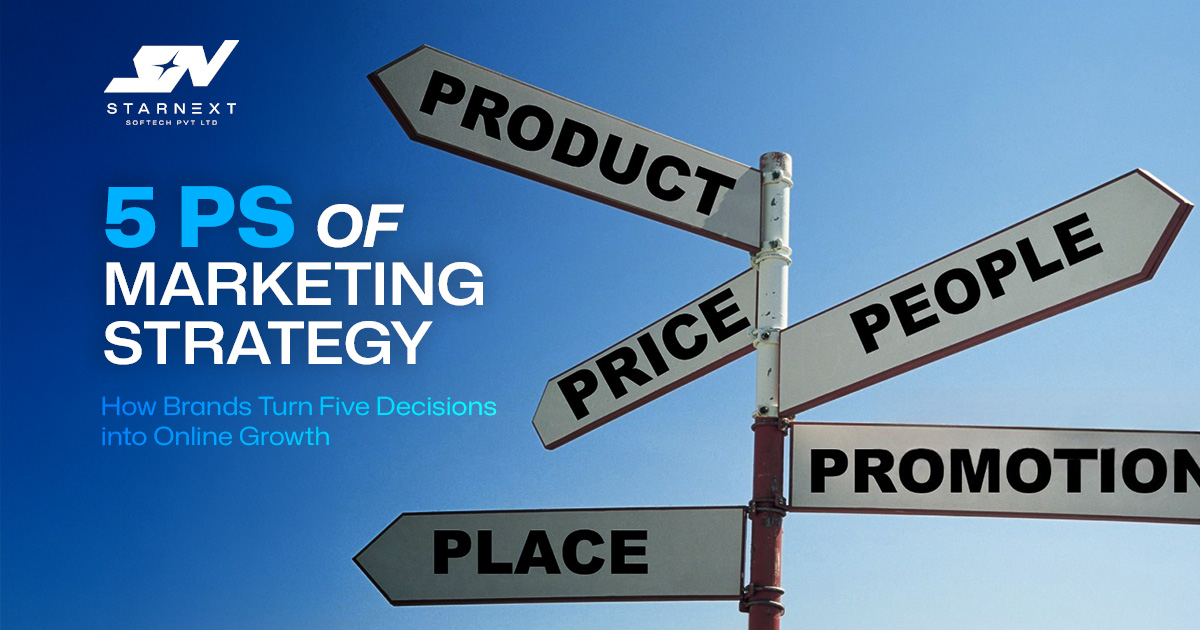
The 5 Ps of Marketing offer a practical way to spot and fix those gaps. Product, Price, Place, Promotion and People shape what a business sells, how buyers judge its value, where they can purchase it, what persuades them and how they feel throughout the experience. Applied together, they turn scattered Digital marketing activity into a coherent growth system.
What Are the 5 Ps of Marketing in Digital Marketing?
The Marketing Mix 5 Ps expands the classic four-part model by adding People. That fifth element matters online because service quality, creator partnerships, sales conversations, reviews and community feedback can influence a purchase as much as the product itself.
| Element | Core decision | Digital question |
|---|---|---|
| Product | What are we offering? | Why should someone choose this over an alternative? |
| Price | What is the value exchange? | Does the price match the promise and perceived value? |
| Place | Where is it available? | Can buyers find and purchase it with little friction? |
| Promotion | How will people understand it? | Which message and channel fit the buyer's situation? |
| People | Who shapes the experience? | What happens before, during and after the sale? |
Product
Product strategy begins before packaging, features or a launch post. It begins with a precise customer problem. A vague offer such as “social media services” forces buyers to work out the value themselves. “Instagram lead generation for local clinics,” by contrast, names the audience, channel and desired outcome. That clarity improves the landing page, sales call and campaign creative at the same time.
Online, the product also includes onboarding, delivery updates, instructions, guarantees and after-sales help. A skincare brand is not only selling a serum. It is selling confidence that the formula suits a concern, clear usage guidance and reliable support.
A useful product check
- Which problem does the offer solve better or more conveniently?
- Can a buyer understand the difference in one sentence?
- What proof reduces doubt: reviews, demonstrations, samples or case studies?
- Which part of the experience creates repeat purchases?
Consider a small ethnic-wear label. Instead of launching another broad festive collection, it notices that working women want outfits that look occasion-ready but remain comfortable for long hours. That insight can shape lighter fabrics, practical sizing, office-to-event styling content and clearer product photography. Promotion becomes easier because the product gives the campaign something specific to say.
Price
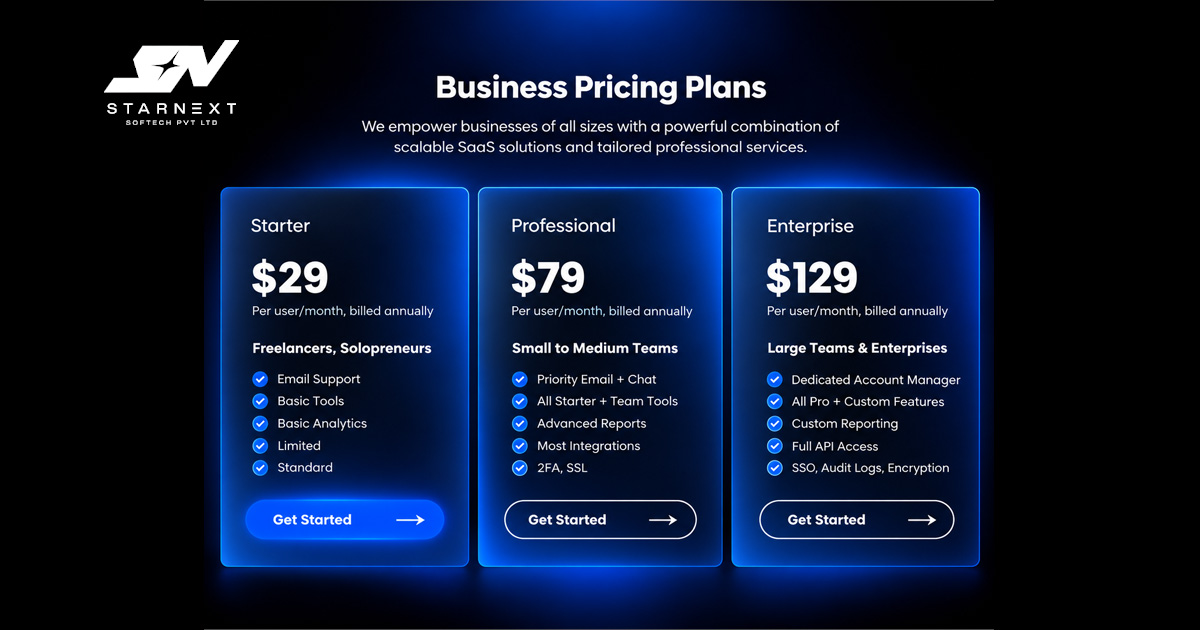
Price is a signal. A low price may suggest accessibility, but it can also create doubt if the brand claims premium quality. A high price can support premium positioning, but only when the experience provides enough evidence to justify it. The question is not simply “What are competitors charging?” It is “What does the customer believe this outcome is worth, and have we made that value visible?”
Digital businesses have more pricing tools than a single discount. They can offer subscriptions, bundles, entry products, trials, payment plans or tiered packages. A SaaS brand might keep a low-friction starter plan for small teams while charging more for automation, integrations and support. A salon might bundle a service with follow-up care instead of cutting the headline price. Both approaches protect perceived value.
Discounting without a reason is a common mistake. If every weekend brings a new sale, customers learn to wait. A better offer connects the incentive to behaviour: a first-order trial size, a bundle that increases average order value, or a loyalty benefit that encourages the next purchase.
Place
Place once referred mainly to shelves, dealers and physical locations. In the 5 Ps of Marketing in Digital Marketing, it includes search results, marketplaces, social platforms, apps, WhatsApp and the brand's own website. The right place is wherever the customer naturally looks for the solution and where the business can deliver a reliable buying experience.
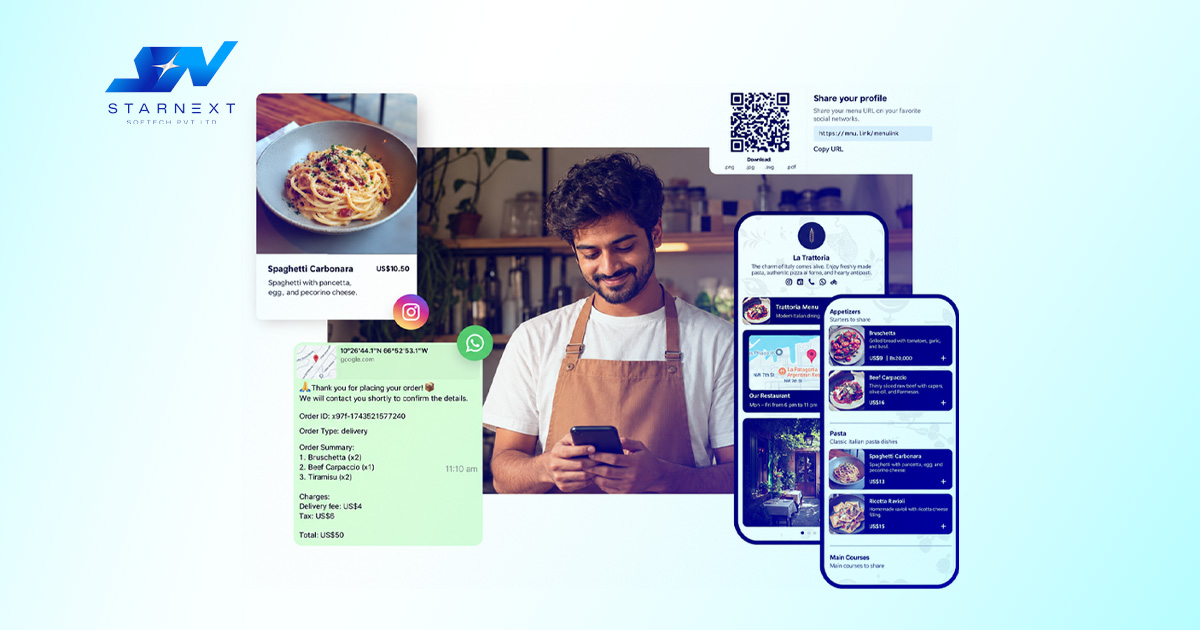
A local restaurant may be discovered on Google Maps, evaluated through photos and reviews, contacted on WhatsApp and ordered from through a delivery platform. If the menu is outdated on one channel or the phone number fails on another, the journey breaks. Visibility alone is not distribution; access and accuracy matter too.
Brands should map the path from discovery to payment. Are stock, delivery charges and return terms clear? Does the mobile page load properly? Place works when the next action feels obvious.
Promotion
Promotion is not the whole strategy. It is the way the strategy reaches the market. Good promotion translates product value into a message a particular buyer can understand at a particular stage.
Take a direct-to-consumer haircare brand launching a damage-repair shampoo. A cold audience may respond to a short video showing the signs of heat-damaged hair. Someone comparing options may need an ingredient explainer, customer reviews and a page that clarifies who the product is for. A visitor who viewed the page twice may be ready for a retargeting ad with a starter bundle. Repeating the same “Buy now” message at every stage wastes attention.
This is also why channel choice should follow buyer behaviour. LinkedIn case studies may suit a B2B consultancy; local search and reviews may matter more to a dental clinic; creator demonstrations may help a beauty product. The strongest channel is not the most fashionable one. It is the channel where the customer is receptive and the brand can communicate convincingly.
People
People include customers, employees, founders, sales staff, support teams, creators and delivery partners. Every one of them can strengthen or weaken the promise made in an advertisement.
Suppose two furniture stores sell similar products at similar prices. One replies after two days with a generic message. The other asks for room dimensions, shares suitable options, explains delivery and checks in after installation. The second store is not merely providing better support; it is practising better marketing. That experience produces reviews, referrals and repeat business.
Online brands should therefore measure more than clicks and conversions. Response time, return reasons, review themes, repeat purchase rate and support questions reveal where the customer experience needs work. People are often the first to notice problems that dashboards cannot explain.
How to Build a 5 P Marketing Strategy
Start with one customer segment and one priority offer. Trying to solve the framework for an entire business at once often produces broad answers. Then work through the five decisions in order:
- Product: write the customer problem, promise and strongest point of difference.
- Price: define the pricing logic and the proof that makes the value believable.
- Place: choose the few channels that make discovery and purchase easiest.
- Promotion: match messages to awareness, consideration and decision stages.
- People: assign ownership for enquiries, delivery, support, feedback and retention.
Finally, look for contradictions. Premium positioning with constant discounts is a contradiction. A convenient product with a complicated checkout is another. So is a friendly brand voice followed by slow, dismissive support. Growth usually improves when these gaps are removed, not when another campaign is added.
Common Mistakes That Weaken the Marketing Mix
- Starting with ads before the offer is clear.
- Copying a competitor's price without comparing audience, costs or positioning.
- Joining every channel while leaving product information inconsistent.
- Measuring promotion only by reach instead of qualified action and revenue.
- Treating customer support as an operations issue rather than a source of trust and insight.
Final Thoughts
A campaign cannot permanently repair an unclear product, unconvincing price, inconvenient buying path or poor customer experience.
Strong online growth comes from alignment. The product solves a recognisable problem. The price makes sense for the value. The offer appears where buyers already look. Promotion answers the right question at the right time. People deliver what the brand promises. When those five decisions support one another, marketing becomes easier to understand, easier to measure and far more likely to earn trust.